
 By Callum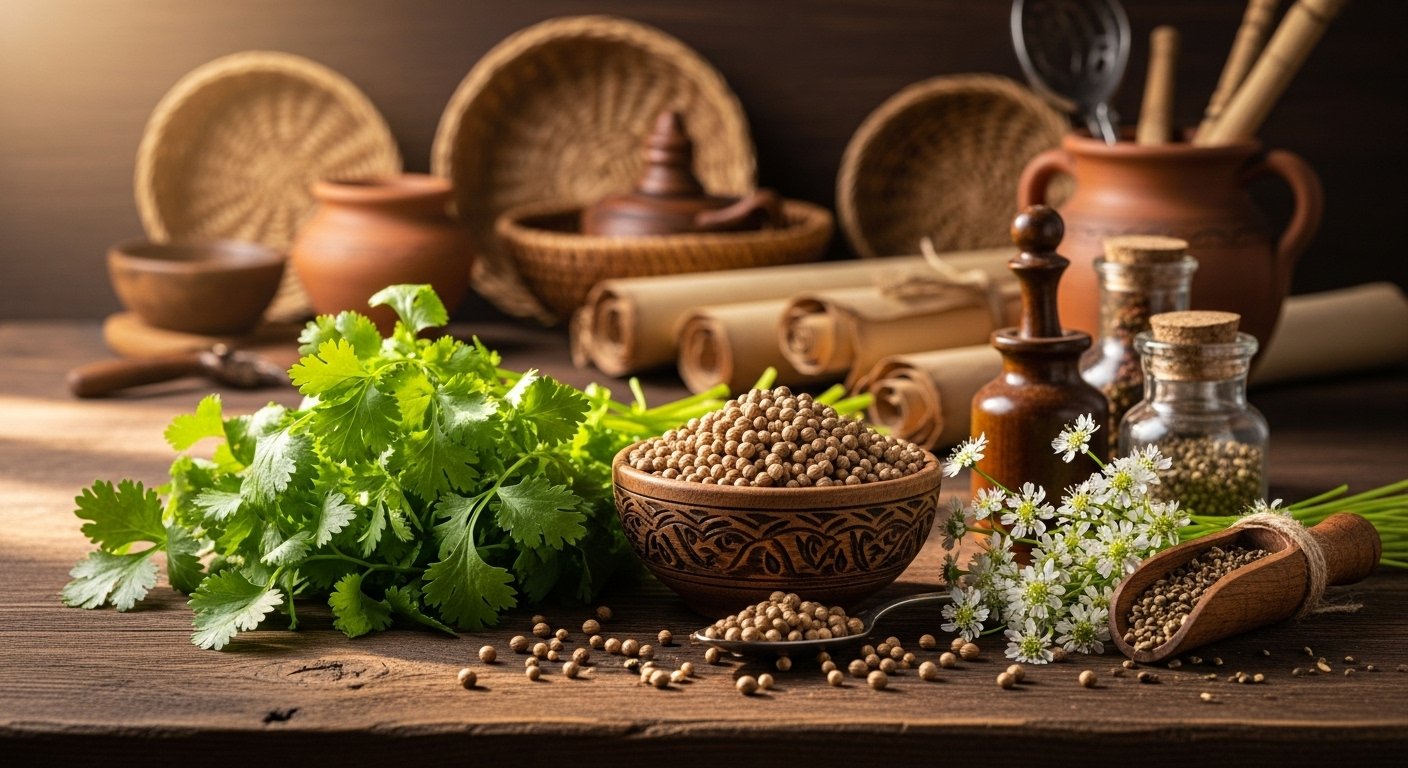
Understanding the Rich Identity of Koriandri and Its Influence on Global Flavors
There are certain ingredients in the world that do more than season a dish. They tell stories, evoke memories, and carry cultural heritage across continents. Koriandri, known scientifically as Coriandrum sativum, is one of those ingredients. Whether you know it as coriander seeds or the fresh leafy herb called cilantro, this humble plant has shaped cuisines, healing traditions, and agricultural habits for thousands of years. Its scent is instantly recognizable, its flavor distinct, and its impact far-reaching.
Every kitchen has ingredients that define comfort, identity, and home. For many families, koriandri holds a special place in recipes passed down through generations. Some love the citrusy, bright aroma of the leaves, while others prefer the earthy, warm character of the dried seeds. Koriandri bridges worlds because it appeals to different tastes, different cultures, and different cooking styles. The same plant can offer freshness, warmth, spice, and complexity depending on how it is used.
The story of koriandri is more than culinary history. It is a reflection of human movement, agriculture, trade, and creativity. It continues to thrive in modern kitchens, where chefs and home cooks combine it with old favorites and new inspirations. Understanding its versatility enriches the way we experience food and highlights the remarkable journey this plant has taken over centuries.
The Ancient Roots of Koriandri and Its Cultural Significance Across Civilizations
The history of koriandri is long and layered. Ancient civilizations valued it not only for flavor but also for wellness rituals and symbolic meaning. Archeological discoveries reveal that the seeds traveled with early traders and were carried across vast regions because of their culinary and medicinal value.
Koriandri appears in ancient Middle Eastern texts, Egyptian scrolls, and even classical Greek discussions about herbs. Its widespread presence shows how deeply woven it became into the diets and traditions of early societies. Long before global cuisine existed as we know it, koriandri acted as a bridge between cultures, moving through markets, ship routes, and spice caravans.
Each culture used it differently. Some prized it for fresh herbal notes. Others relied on the seeds as essential components of spice blends. In each case, koriandri became more than a plant; it became a cultural symbol, a source of flavor, and a trusted companion in daily life. This history enriches the experience of using it today, reminding us that cooking often carries the echoes of ancient traditions.
You Might Also Like: Pravi Celer
Understanding the Dual Nature of It and Its Culinary Flexibility
One of the reasons koriandri stands apart from other herbs is its split identity. Fresh koriandri leaves, commonly called cilantro, offer bright, slightly citrusy notes that lift dishes with freshness. In contrast, the dried seeds deliver warmth, depth, and gentle sweetness. Few plants provide such a wide range of flavors through different parts of the same organism.
The leaves are tender and used raw or added at the end of cooking to preserve their aroma. Their brightness complements dishes that rely on acidity, spice, or fresh vegetables. Salads, stews, and broths gain balance and life when sprinkled with fresh koriandri.
The seeds are dried, warm, round, and slightly citrus-scented when toasted. They are ground into spice blends, infused into oils, or added whole to create layers of flavor. This dual nature gives koriandri unique versatility that few culinary ingredients can match. It transforms from fresh herb to aromatic spice without losing its identity, displaying a complexity that keeps cooks inspired.
How Fresh Koriandri Leaves Enhance Dishes With Brightness and Depth
Fresh koriandri leaves are often associated with vibrant cuisines where herbs play a crucial role. These leaves brighten dishes in a way that few herbs can achieve. Their delicate structure allows them to blend into salads, soups, and sauces without overpowering other ingredients. Instead, they add lift, color, and aromatic depth.
The leaves pair especially well with bold flavors. Dishes that incorporate chili, lime, garlic, tomatoes, or ginger often gain new dimension when combined with the herb. The slight citrus profile cuts through heat and richness, offering balance. This makes koriandri essential in homes where freshness is part of daily meals.
Many people enjoy it raw because cooking can reduce its aroma. Sprinkling a handful on top of warm dishes enhances both visual appeal and smell. Experienced cooks often keep fresh leaves ready to finish meals, knowing how deeply the herb influences final flavor.
Exploring the Warm Complexity of Koriandri Seeds in Global Cooking
While the fresh leaves bring brightness, the seeds deliver earthiness and warmth. Their aroma intensifies when lightly crushed or toasted. The flavor profile shifts depending on how they are prepared. Whole seeds offer mild warmth. Crushed seeds create a more intense citrus-spice combination. Ground seeds become the backbone of spice blends.
Koriandri seeds appear in countless traditional mixtures. They help bind flavors by softening sharp notes and enhancing deeper tones. Their warmth pairs beautifully with cumin, fennel, black pepper, and cardamom. When cooked slowly, they release fragrant oils that infuse broths and stews with subtle sweetness.
The role of the seeds varies across cuisines. Some cultures use them in marinades, while others add them to breads or pickles. Their multifunctional nature allows them to enhance savory dishes, baked goods, and sauces without losing their identity. This adaptability makes the seeds indispensable in spice-rich kitchens around the world.
Why It Inspires Divided Opinions and How to Appreciate Its Flavor
It is common to hear people passionately love koriandri or strongly dislike it. The divided opinion stems from differences in scent perception. Some individuals carry a genetic trait that interprets the herb’s aldehyde compounds as soapy or sharp. For them, the aroma feels unpleasant. Others experience the same compounds as bright and fresh.
This contrast explains why koriandri sparks so much discussion. Food plays an emotional role in our lives, and strong preferences shape the way we relate to different ingredients. When someone dislikes the herb, it is not a matter of taste alone but also biology. Yet even those who struggle with the leaves sometimes appreciate the seeds, which carry warmth without the same sharp aroma.
Appreciating koriandri involves understanding its qualities and using it intentionally. The leaves enhance freshness, while the seeds enrich warmth. When used thoughtfully, the plant reveals layers of character that reward curious cooks.
How It Plays a Vital Role in Regional Spice Traditions
Different parts of the world rely heavily on koriandri for their distinct culinary identities. Each region adapts the plant to suit its climate, flavors, and preferred cooking techniques. Many spice blends simply would not taste the same without coriander seeds forming their base.
In regions with warm climates, the herb grows abundantly. It appears in salads, sauces, and as a garnish over stews. In places where spices define cuisine, the seeds become essential in blends that accompany slow-cooked meats, vegetables, and grains.
These regional variations highlight how adaptable the plant is. It thrives in multiple environments and supports many styles of cooking. Whether used fresh or dried, koriandri seamlessly blends into culinary traditions while still leaving its own unique mark.
The Importance of Aroma in Understanding What Makes Koriandri Unique
Aroma plays a powerful role in how we experience food. Koriandri is especially aromatic, offering layers of scent that shift depending on how it is used. The leaves provide bright citrus notes with grassy freshness. The seeds carry warmer tones with hints of nut and spice.
This aromatic complexity influences how dishes evolve during cooking. When seeds are toasted, the fragrance deepens. When leaves touch heat, their scent softens. Aroma often determines whether a dish feels comforting, refreshing, or rich. Understanding these qualities helps cooks harness the full potential of the plant.
Scent also affects memory. Many people associate koriandri with specific moments in their cultural or family traditions. That emotional connection shows how deeply aroma ties into food experiences.
How It Supports Modern Wellness and Living Traditions
Beyond flavor, koriandri has long been valued for wellness traditions. Many cultures consider it cooling, grounding, or soothing. The seeds and leaves appear in teas, tonics, and herbal preparations that continue to be used today.
Modern wellness practices still incorporate the plant, appreciating its gentle nature. The seeds are sometimes infused in warm water or added to preparations meant to support comfort. The leaves appear in fresh blends that highlight hydration and vitality. While interpretations vary across cultures, koriandri remains relevant in many wellness routines.
This connection between food and well-being strengthens the plant’s cultural significance. It reminds us that ingredients carry more than taste. They also reflect how humans care for themselves and their communities.
Koriandri in Home Gardens and Why It Appeals to Growers
Growing koriandri at home has become increasingly popular. The plant is relatively adaptable and thrives in small gardens, pots, or kitchen setups. Its quick growth cycle makes it rewarding for beginners, while its culinary value keeps experienced gardeners enthusiastic.
Fresh leaves can be harvested early, and seeds form later, offering multiple stages of use. This dual benefit encourages gardeners to maintain healthy plants throughout the season. The scent of coriander flowers attracts pollinators, adding ecological value to the garden.
Home-grown koriandri gives cooks access to bright flavor that store-bought versions sometimes lack. Harvesting just before cooking ensures maximum freshness, and this sensory experience deepens appreciation for the plant.
Flavor Pairings That Bring Out the Best in Koriandri
Flavor pairing is an art, and koriandri offers a dynamic canvas. Its bright leaves complement acidity, spice, and heat. Its seeds support warmth, depth, and balance. Understanding how to pair the plant with other ingredients opens countless opportunities for creative cooking.
Fresh leaves pair well with lime, lemon, tomatoes, chilies, garlic, onion, and fresh vegetables. These combinations create lively dishes defined by freshness and vibrancy.
The seeds marry beautifully with cumin, black pepper, cinnamon, nutmeg, cardamom, and mustard seeds. They help bind spices into cohesive blends that flavor slow-cooked meals and complex sauces.
When both leaves and seeds appear in the same recipe, the result often feels layered. The seeds provide foundation, while the leaves elevate the finish.
You Might Also Like: Shihuanuo
Future of Koriandri in Modern Cooking and Culinary Innovation
Koriandri continues to influence new food trends. Chefs experiment with its flavor in creative ways, blending old traditions with modern techniques. Its adaptability makes it appealing for fusion cuisines, plant-based dishes, and bold flavor explorations.
Modern cooking often emphasizes freshness, balance, and authenticity. Koriandri supports all three values. As culinary curiosity grows, the plant’s role is likely to expand even further. It may inspire new sauces, spice blends, beverages, or creative uses that reshape how people experience it.
The plant’s long history shows its resilience. Its future promises innovation grounded in tradition, continuing its journey across cultures and generations.
Final Thoughts That Celebrate the Timeless Magic
The story of koriandri is one of movement, evolution, and connection. It bridges ancient civilizations with modern kitchens, offering flavors that feel both comforting and exciting. Its leaves bring brightness; its seeds bring warmth. Its aroma sparks memories, and its versatility invites creativity.
As you continue exploring dishes, traditions, and flavors, koriandri reminds you that the simplest ingredients often hold the richest stories. Whether sprinkled fresh over a warm meal or ground into a fragrant spice blend, it adds life to food in a way few plants can match.
The journey of koriandri continues every time someone cooks with it, tastes it, or grows it at home. It encourages curiosity, celebrates heritage, and inspires deeper appreciation for the flavors that shape our world.