
 By Callum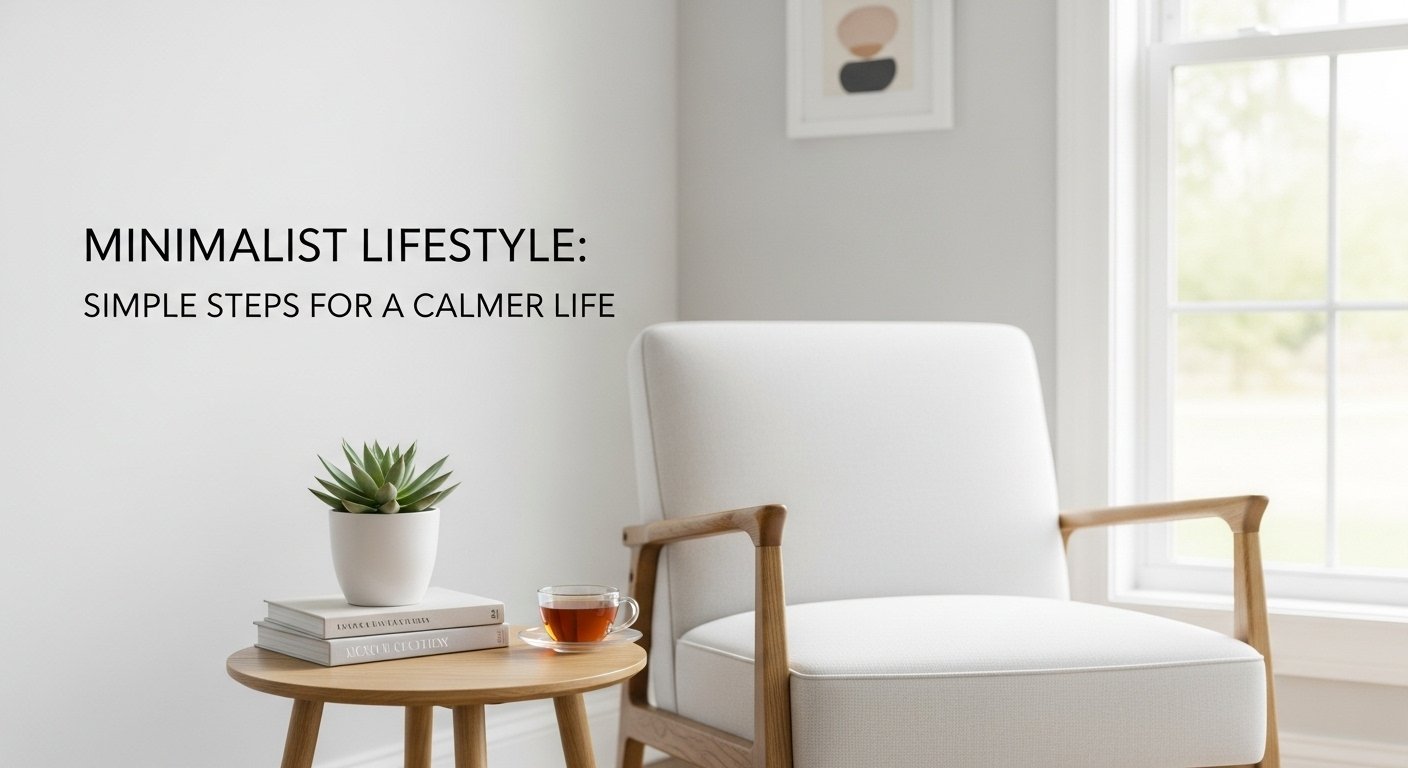
In today’s fast-paced world, the pursuit of happiness often feels like a never-ending race. We accumulate possessions, commitments, and distractions that can overwhelm us. But what if there was a way to simplify your life? Enter the minimalist lifestyle—a movement centered on reducing clutter and focusing on what truly matters. Imagine waking up in a serene space with only the essentials around you, where each item has purpose and meaning.
Minimalism isn’t just about decluttering your home; it’s about creating mental clarity and emotional peace. It encourages us to reevaluate our priorities and make room for joy amid chaos. Whether you’re looking to reduce stress or enhance your overall well-being, embracing minimalism could be the key. Ready to explore how simple changes can lead to profound transformations? Let’s dive deeper into this calming philosophy that invites simplicity back into our lives!
Understanding Minimalism
Minimalism is more than just a trend; it’s a lifestyle choice that emphasizes simplicity and intentionality. At its core, minimalism encourages individuals to focus on what truly matters by eliminating the excess in their lives. This philosophy can be applied to various aspects, including physical possessions, commitments, and even digital clutter.
Embracing minimalism means asking yourself what brings you joy and value. It involves letting go of items that no longer serve a purpose or contribute positively to your life. The process invites reflection on how much we really need versus what society often tells us to want.
You Might Also Like: Shihuanuo
Many associate minimalism with clean lines and sparse interiors, but it’s about mindset as well. It’s an opportunity to cultivate mindfulness—being present in each moment without distractions weighing you down. By simplifying our surroundings, we create space for creativity and clarity.
Understanding minimalism requires recognizing that less can indeed be more. It challenges the notion that happiness comes from accumulation and instead fosters appreciation for experiences over things. As you delve into this lifestyle, you’ll discover how freeing it can be to live with intention.
Benefits of Minimalism
Embracing a minimalist lifestyle can lead to profound changes in your daily experience. One of the most immediate benefits is reduced stress. With fewer possessions, there’s less clutter to manage, creating a more peaceful environment that allows for clearer thinking.
Another significant advantage is increased focus. When distractions are minimized, you can direct your energy toward what truly matters—be it personal goals or meaningful relationships. This heightened concentration often leads to greater productivity and fulfillment.
Additionally, minimalism promotes financial freedom. By prioritizing needs over wants, you spend less on unnecessary items and save more money for experiences or investments that genuinely enrich your life. This shift encourages mindfulness in spending habits.
Adopting a minimalist lifestyle fosters sustainability. By consuming less and making intentional choices about what you bring into your home, you’re contributing positively to the environment. Living with intention not only enhances personal well-being but also supports the planet’s health as well.
Tips for Embracing Minimalism
Embracing a minimalist lifestyle begins with intention. Start by identifying what truly matters to you. Reflect on your values, passions, and priorities. This clarity will guide your decisions as you simplify.
Next, tackle one area at a time. Whether it’s your closet or workspace, focus on decluttering in small doses. Set aside just 15 minutes each day to sort through items. You’ll be surprised how quickly progress can happen.
Digital clutter also deserves attention. Unsubscribe from unwanted emails and delete unused apps from your devices. A cleaner digital space contributes significantly to mental clarity and reduces distractions.
Adopt the “one in, one out” rule for future purchases. Whenever you acquire something new, remove an item of similar value from your life. This practice helps prevent accumulation while reinforcing mindful consumption habits that align with a minimalist lifestyle.
Transitioning into a Minimalist Lifestyle
Transitioning into a minimalist lifestyle can feel overwhelming at first. It’s essential to approach it gradually. Start by identifying what minimalism means to you. Everyone’s journey is unique, and this clarity will guide your next steps.
Begin with small changes in your home or workspace. Tackle one area at a time—perhaps your closet or desk drawer. Removing items that no longer serve you can create instant relief and space for new possibilities.
Next, evaluate your daily routines. Consider how much of your time is filled with unnecessary activities or obligations. Streamlining these aspects allows room for what truly matters to you, enhancing both focus and peace of mind.
Connect with like-minded individuals who embrace the minimalist lifestyle. They can offer support, share strategies, and inspire you along the way. Engaging in discussions about experiences can ignite motivation as you embark on this transformative journey toward simplicity.
Letting Go and Decluttering
Letting go of possessions can be challenging. We often hold onto items due to sentimental value or fear of needing them in the future. However, a minimalist lifestyle encourages you to reassess what truly matters. Focus on the objects that enrich your life and bring joy.
Start small by tackling one area at a time. Whether it’s a closet, drawer, or even your digital space, breaking down tasks makes decluttering manageable. Set aside dedicated time for this process; it doesn’t have to happen all at once.
As you sift through belongings, ask yourself questions: Does this item serve a purpose? Do I love it? If the answer is no, consider letting it go. Donate or sell items that are in good condition—this way they can benefit someone else.
Embrace the idea that less is more. Each item removed creates space for clarity and peace of mind. As you let go of physical clutter, you’ll find room for new experiences and opportunities in your life—much like opening windows after months of being shut tight.
Maintaining Your Minimalist Lifestyle
Maintaining your minimalist lifestyle requires intention and consistency. It’s not just a one-time event; it’s an ongoing process. Begin by regularly assessing what you own and need. This self-reflection helps prevent clutter from creeping back into your life.
Create routines that support minimalism. For instance, designate specific times for decluttering or organizing your space. Make it a habit to avoid impulse purchases by implementing the 30-day rule: if you want something new, wait 30 days before buying it. Often, you’ll find that the urge passes.
Surround yourself with like-minded individuals who appreciate simplicity as well. Sharing experiences can provide motivation and inspiration during challenging moments of transition.
Practice mindfulness to stay grounded in your minimalist journey. Focus on what truly matters—relationships, experiences, and personal growth—and let go of distractions that don’t serve you well.
By remaining diligent about these habits, you’ll cultivate a lasting minimalist lifestyle that leads to greater peace and fulfillment in everyday life.