
 By Callum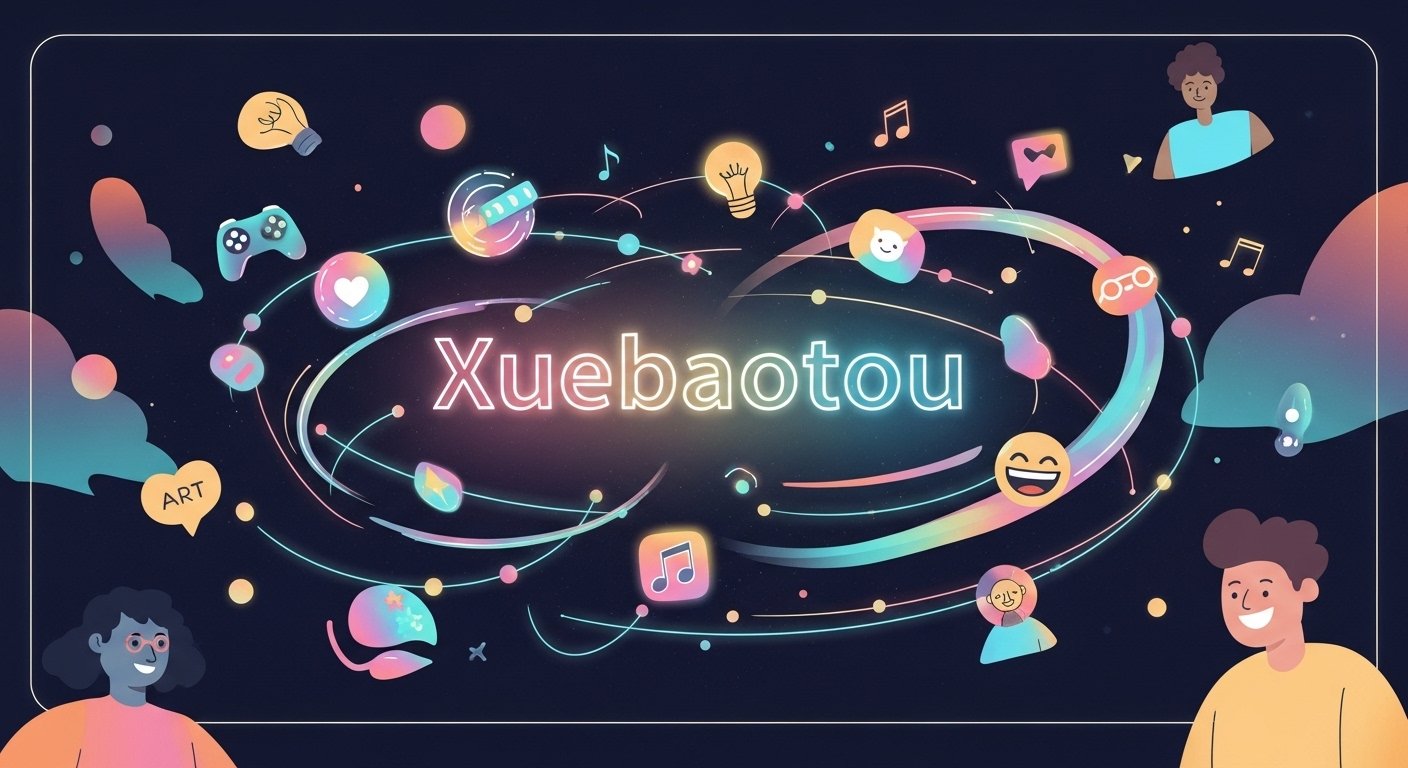
Unexpected Journey of It and Its Cultural Impact
Every generation has its defining online trend—something that captures imagination, unites communities, and redefines how people interact in digital spaces. For this era, one of the most fascinating examples is Xuebaotou. The name itself carries a hint of mystery, yet its influence is anything but obscure. What began as an obscure concept has quietly grown into a recognizable cultural signal across online spaces, symbolizing innovation, playfulness, and identity.
To understand the rise of Xuebaotou, one must look beyond the surface. It’s not just a meme, a platform, or a piece of online slang—it’s an entire ecosystem of meaning shaped by how people connect, create, and express themselves in the modern digital world.
The Origins of Xuebaotou: From Obscurity to Recognition
The term Xuebaotou first appeared in small digital communities, circulating through image boards, private forums, and creative chat spaces. It didn’t begin with a corporate campaign or a viral post. Instead, it emerged organically, spreading through shared humor, fan creativity, and social mimicry.
The name itself evokes curiosity. It feels both exotic and endearing—an almost whimsical sound that fits the playful and inventive energy of digital culture. Users began associating Xuebaotou with wit, intelligence, and a unique kind of aesthetic awareness. Soon, the word moved beyond its original niche and started appearing across various creative and social platforms.
As with many viral phenomena, no one can pinpoint a single origin story. But the key to its success lies in its adaptability. Xuebaotou was never tied to one specific format—it could be a username, a mascot, a style, or a mindset. This flexibility allowed it to evolve naturally, surviving the rapid shifts of internet trends.
You Might Also Like: Calmered
Xuebaotou as a Symbol of Modern Internet Creativity
What sets Xuebaotou apart from countless other viral terms is its versatility. It became a symbol of creative experimentation—a word people used when describing things that blended intellect with lightheartedness.
In creative communities, especially among young artists and designers, Xuebaotou became a shorthand for originality. It represents clever humor and a certain understated brilliance. The term’s cultural identity embodies how digital generations celebrate ideas that don’t take themselves too seriously, yet reveal deep thought beneath the surface.
This duality—depth wrapped in simplicity—makes Xuebaotou relatable. It mirrors the mindset of a generation that values authenticity over perfection, and playfulness over pretension.
The Digital Persona Behind Xuebaotou
Online, identity is performance. People craft usernames, avatars, and online presences that reflect parts of themselves they wish to highlight or explore. Xuebaotou fits perfectly within this landscape. It became not just a name but an archetype—a kind of digital persona for those who wanted to project creativity, intellect, and charm.
Communities began to treat “being a Xuebaotou” as a personality trait—someone witty, informed, and subtly ironic. This playful identity allowed people to connect through humor and shared understanding without needing to explain too much.
In forums, gaming communities, and social feeds, references to Xuebaotou often carried an insider tone. To understand it meant you were part of the conversation, part of a new, evolving subculture that thrives on layered meanings and playful ambiguity.
The Linguistic and Emotional Appeal of Xuebaotou
Language evolves fast in the digital age. Words like Xuebaotou capture emotional nuance in a way traditional vocabulary can’t. Its syllables have rhythm, its sound is memorable, and its meaning—though flexible—always carries warmth and cleverness.
The emotional resonance of the term lies in how it bridges intellect and humor. In online dialogue, it’s often used to describe someone or something that’s both smart and endearing, clever yet modest. That balance makes it charming and widely applicable.
As the term gained traction, it started shaping small cultural moments. Artists used it as a tag for their works; gamers used it in nicknames; writers used it as an emblem of creative spirit. In this way, Xuebaotou transformed from a casual phrase into a symbol of digital expression.
Xuebaotou and the Aesthetic of Digital Belonging
Every successful online phenomenon taps into the need for belonging. Xuebaotou became a rallying point for people who saw themselves as creative outsiders—those who didn’t fit neatly into traditional molds of influence or popularity.
It wasn’t about fame; it was about shared understanding. Users embraced Xuebaotou as a quiet signifier—a way of saying, “I get it.” The aesthetic around the word also evolved: playful graphics, soft color palettes, hand-drawn symbols, and witty captions all became part of the broader Xuebaotou visual language.
The simplicity of its aesthetic stood in contrast to the overstimulated, commercialized tone of mainstream media. It offered an alternative—an escape into authenticity and warmth.
The Philosophy Behind It’s Popularity
What makes a concept like Xuebaotou sustain itself over time is not luck, but resonance. It reflects deeper cultural movements toward sincerity, creativity, and individuality. People are tired of filters, algorithms, and performative perfection. Xuebaotou thrives precisely because it doesn’t pretend.
Its philosophy is simple: stay curious, stay clever, stay lighthearted. It celebrates learning and play as two sides of the same coin—a reminder that intelligence doesn’t have to be serious to be meaningful.
This mindset has attracted a loyal community of artists, writers, gamers, and thinkers who see Xuebaotou as more than a trend. It’s a mirror reflecting their values—creativity without ego, humor with insight.
Xuebaotou in Gaming and Pop Culture
As the concept matured, Xuebaotou naturally found a home in gaming culture. Gamers, who thrive on identity creation and in-jokes, adopted the term as both a label and a spirit. It represented someone who played strategically yet joyfully—someone clever but never arrogant.
In pop culture, Xuebaotou has surfaced in unexpected ways—fan communities, digital art, parody content, and even small-brand naming. Its flexibility allows it to evolve with the platforms it touches. Like an adaptable emoji, it carries meaning across contexts without losing its core charm.
Because of its open-ended nature, the term continues to inspire creative interpretations. It’s not bound to a specific language or culture, which explains why it resonates internationally despite its linguistic roots.
The Emotional Core of Xuebaotou
At its heart, Xuebaotou is emotional. It’s about finding joy in intellect and comfort in creativity. It’s about those small, satisfying moments when an idea clicks or when humor bridges a gap between strangers online.
Unlike many fleeting online trends, Xuebaotou carries emotional longevity because it invites participation. It’s inclusive rather than exclusive. Anyone can embody its spirit—by being clever, kind, or simply curious.
That inclusivity has turned it from a meme into a movement. People don’t just use Xuebaotou; they live it through how they communicate, create, and collaborate.
Why Xuebaotou Matters in Today’s Digital World
In an age dominated by algorithms and automation, human creativity feels both more valuable and more vulnerable. Xuebaotou reminds us that playfulness and intelligence can coexist—that even in a digital world, authenticity can thrive.
It’s a reminder that behind every screen, every username, there’s a person seeking connection through shared creativity. The rise of Xuebaotou signals that people still crave meaning, humor, and genuine interaction online.
It’s also a response to digital fatigue. While many trends burn bright and fade fast, Xuebaotou’s endurance proves that ideas rooted in emotional connection can last longer than viral hype.
You Might Also Like: Simbramento
Future of It and Its Expanding Universe
As online culture continues to evolve, Xuebaotou is likely to expand in unexpected directions. Its adaptability means it could become a brand identity, an artistic philosophy, or even a creative movement that defines a new aesthetic of balance and wit.
Creators who align with the Xuebaotou mindset are shaping digital culture—favoring subtlety over spectacle and originality over imitation. Its principles of curiosity, sincerity, and creativity will remain relevant as long as people seek meaning in a noisy world.
In many ways, Xuebaotou is not just a word—it’s a compass pointing toward a more playful, thoughtful future.
Living the Spirit of Xuebaotou
To embrace Xuebaotou is to embrace curiosity. It’s about asking questions, finding joy in learning, and creating without fear of imperfection. It’s about laughing at your own cleverness while still seeking growth.
People who embody this mindset don’t chase trends—they create them naturally. They value nuance, humor, and connection. Whether through art, conversation, or community, Xuebaotou reminds us that creativity is not a competition—it’s a shared experience.
And perhaps that’s why the idea endures. It resonates with those who wish to balance intellect with imagination, seriousness with play, and self-expression with community.
In a time when the digital world often feels fragmented and shallow, Xuebaotou offers a refreshing counterbalance. It invites us to slow down, think deeply, and smile often.
So the next time you encounter the word Xuebaotou, remember: it’s not just a label or a trend—it’s a way of thinking, a reminder to stay clever, curious, and kind in the vast, ever-changing digital world.