
 By Callum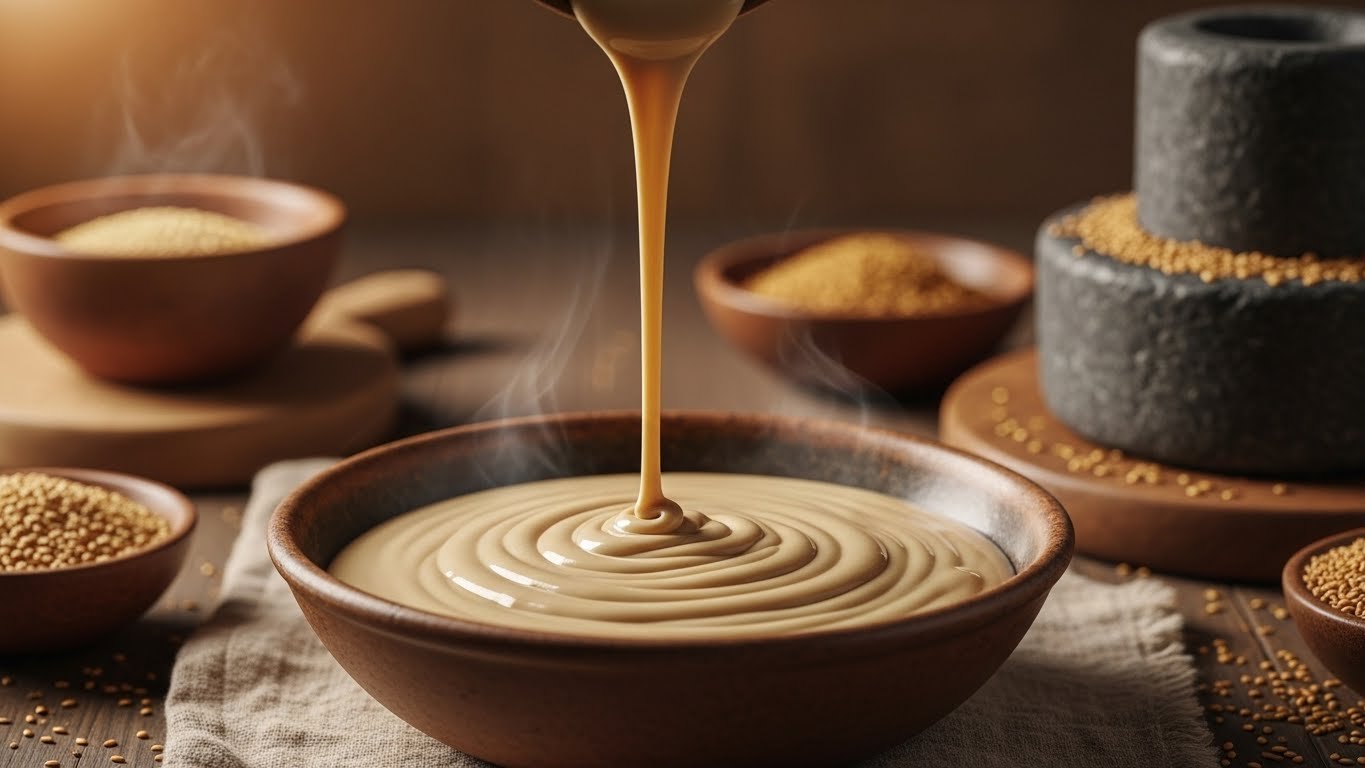
Every cuisine has a few ingredients that carry history, emotion, and meaning inside every spoonful. Tahhiini is one of those ingredients. It’s more than a creamy paste; it’s a piece of cultural memory that traveled through centuries and still holds a place in both traditional kitchens and modern recipes. Many people discover it through hummus or a drizzle over desserts, yet few know how complex its journey truly is. When you first taste Tahhiini, you feel its richness immediately. Somewhere in that creamy texture, there is the earthy character of sesame seeds and the warmth of slow roasting. Tahhiini brings depth to dishes, but it also holds a sense of comfort that makes it timeless.
Tahhiini, also known as tahini, appears simple on the surface, but the process behind it reveals the dedication of communities that refined it over generations. It starts with sesame seeds, which may be hulled or unhulled. Hulled seeds lead to a softer flavor, while unhulled seeds give a bolder taste and a slightly more rustic character. Both versions share the same essence, yet each captures a different side of its story. Within Middle Eastern cuisine, Tahhiini stands proudly among core ingredients that define authenticity. Its role extends far beyond a condiment because every region adopts it in its own way. Some use it heavily in sweets, others in savory dishes, and many incorporate it as a staple in daily meals.
No matter how it is used, Tahhiini holds a special place for anyone who values flavor rooted in tradition. Its simplicity allows it to adapt effortlessly to contemporary cooking trends as well. Many chefs rediscover it constantly and find new ways to highlight its boldness. Whether spread, whisked, blended, or baked, it carries a remarkable ability to elevate other flavors while maintaining its own identity. People often describe it as nutty, creamy, or earthy, but these words barely capture the layers within it. When made from roasted seeds, the depth becomes even more pronounced, giving the paste a rich aroma that fills the air as soon as the jar opens.
Understanding Tahhiini begins with understanding the seed at the heart of it all. Sesame seeds may appear small, yet they carry enormous nutritional and cultural significance. Ancient civilizations cultivated them long before refined oils or modern milling existed. They were valued for their long shelf life and their ability to produce foods that sustained communities for months. Tahhiini became a natural evolution of those early uses. Grinding seeds into paste allowed people to preserve nutrients, improve flavor, and create a versatile ingredient that traveled well. Even today, the essence remains the same: a simple idea refined into something deeply meaningful.
You Might Also Like: Weber Grillvorführung
Explore Origins and Early Uses of Tahhiini Across Cultures
To appreciate Tahhiini’s significance today, it helps to look back at where it came from and how it developed across many cultures. Sesame seeds were cultivated thousands of years ago in regions stretching from ancient Mesopotamia to Egypt and Persia. They were among the first crops used to extract oil, and early communities discovered that grinding the seeds by hand produced a paste that preserved their natural fats and flavors. Although each region shaped its own uses for sesame, the creation of Tahhiini emerged naturally through experimentation with roasting and grinding techniques.
In some parts of the Middle East, Tahhiini became essential in cooking because it provided both energy and flavor in an efficient form. Families often roasted seeds in small batches, ensuring maximum freshness. Early cookware techniques, such as stone grinding, produced textures very different from today’s smooth, industrial versions. The paste once had a grainier feel, with aromas that carried the warmth of local clay ovens and open fires. Over time, communities adapted their processes, discovering that carefully roasting seeds brought out the most complex flavors. The paste soon became a symbol of culinary craftsmanship.
Tahhiini As a Trade Routes
As trade routes expanded, Tahhiini traveled across regions and gained new identities along the way. In some cultures, it became part of sauces served with meats or vegetables. In others, it blended into sweets or spread onto bread as an everyday snack. The adaptability of Tahhiini showed that it could belong anywhere. Wherever it went, it absorbed local tastes, reflecting the diversity of the regions that embraced it. This broad cultural adoption helped Tahhiini survive centuries of change, allowing it to remain relevant even as cuisines modernized.
Today, Tahhiini continues to evolve while keeping its roots intact. Chefs and home cooks experiment with new uses, often combining it with flavors not traditionally found in Middle Eastern kitchens. Yet at its core, it remains a tribute to the history that shaped it. Every jar of Tahhiini holds a connection to a past where food was crafted by hand and shared during gatherings that centered around family and hospitality. This connection gives it emotional value, something many modern foods lack.
How Tahhiini Is Made and Why Each Step Matters
When people think about Tahhiini, they often picture the final creamy paste, but the process behind it involves precision and care. The journey begins with sesame seeds, and every detail influences the final result. Choosing between hulled and unhulled seeds is the first major decision. Hulled seeds produce a smoother, milder paste. Their lighter color appeals to many who prefer gentle flavors, making them ideal for dishes that require balance. Unhulled seeds keep their outer layer, offering higher fiber content and a slightly bitter edge. They create a deeper shade of Tahhiini that reflects their strong character.
After selecting the seeds, the roasting stage becomes crucial. Roasting is where flavor blooms. The seeds release their natural oils, creating an aroma that fills the air with warmth. Light roasting keeps the flavor mild, while darker roasting intensifies its nuttiness. Each region has its own preference, and many artisans guard their roasting techniques as part of their culinary heritage. The process may seem simple, yet roasting determines how bold or subtle the final Tahhiini will be.
Getting Along With More Steps
Once roasted, the seeds are ground into paste. This step can be done with traditional tools or modern machinery, but the principle remains the same. Grinding transforms crunchy seeds into a silky paste with a texture that feels luxurious on the tongue. High-quality Tahhiini has no graininess, no separation, and no bitterness beyond what is naturally present in the seeds. Achieving this smooth texture requires careful control of heat and timing. If the seeds become too hot during grinding, the paste may lose its delicate balance.
The final product emerges as a thick, luscious paste that can be used immediately or stored for future recipes. What makes Tahhiini special is that no additives are required. Pure Tahhiini contains only sesame seeds, making it one of the cleanest and most natural condiments available. This purity contributes to its popularity among those who prioritize healthy, minimally processed foods. Even when incorporated into complex dishes, Tahhiini maintains its integrity, blending with flavors rather than masking them.
Nutritional Strength and Wellness Benefits of Tahhiini
One of the reasons Tahhiini has gained global recognition is its impressive nutritional profile. Sesame seeds pack a powerful combination of healthy fats, protein, and essential minerals. When ground into Tahhiini, those nutrients remain intact, making it a valuable addition to many diets. Rich in calcium, magnesium, and iron, Tahhiini supports bone health, energy production, and overall vitality. Its natural oils contain heart-healthy fats that contribute to stable energy levels.
Tahhiini also offers plant-based protein, making it appealing to those who prioritize vegetarian or vegan nutrition. A small amount provides meaningful protein content without the heaviness associated with some nut butters. The paste also contains antioxidants, which help the body manage stress and inflammation. Even its slight bitterness, especially in unhulled versions, indicates the presence of beneficial compounds.
Despite its richness, Tahhiini remains surprisingly versatile in balanced diets. Its fats are primarily unsaturated, which supports heart health when consumed in moderation. Many people find that a small spoonful adds satisfying flavor without overwhelming a meal. Because it is nutrient-dense, it contributes to feelings of fullness, making it useful in mindful eating approaches. Unlike many condiments that include artificial ingredients, Tahhiini retains natural purity, aligning with contemporary wellness trends that emphasize whole foods.
Its mineral content also supports physical well-being in other ways. Magnesium contributes to muscle function, while calcium strengthens bones and teeth. Iron supports healthy blood flow and energy levels. These combined elements make Tahhiini a strong addition to daily meals for those seeking natural nourishment. This balance of flavor and nutrition gives Tahhiini lasting appeal.
Traditional Culinary Uses That Showcase Tahhiini’s True Character
Tahhiini becomes most expressive when placed in the hands of cooks who understand its depth. Across the Middle East and beyond, it finds its way into traditional recipes that highlight its natural richness. One of the most recognizable uses is in hummus. Without Tahhiini, hummus loses its signature creaminess and depth. The spread blends the richness of chickpeas with the warmth of sesame, creating a harmony that people around the world love.
Tahhiini also enriches baba ghanoush, a smoky eggplant dish that depends on the paste for balance. The slight bitterness of Tahhiini complements the charred eggplant, producing a flavor combination that feels ancient and comforting. In some regions, cooks mix Tahhiini with garlic, lemon juice, and salt to form a sauce known for its bright acidity and earthy undertones. This sauce enhances grilled meats, vegetables, and street foods that carry strong personality.
In desserts, Tahhiini plays a different role. Its natural oils lend moisture and richness to pastries, cookies, and sweets. It combines beautifully with honey or sugar to produce confections with balanced sweetness. Some cultures use Tahhiini in breakfast dishes, spreading it over bread with a drizzle of syrup or mixing it with molasses for a deeply satisfying pairing. These traditional uses reflect the paste’s remarkable flexibility.
No matter how it is used, Tahhiini remains a symbol of heritage. Each traditional dish carries stories passed through generations. Families share recipes that often include personal variations, making every serving unique. These cultural expressions keep Tahhiini alive not just as a food item, but as a memory shared across time.
Modern Culinary Creativity Expanding the Future of Tahhiini
As global cuisines evolve, Tahhiini finds itself in a new spotlight. Chefs around the world incorporate it into dishes that extend far beyond its traditional context. Its earthy flavor pairs surprisingly well with modern ingredients. Some use it in salad dressings to create creamy, nutty profiles that elevate simple greens. Others blend it into marinades, taking advantage of its thick texture to coat vegetables and meats evenly.
Bakers embrace Tahhiini for its ability to enrich doughs and batters. When added to cookies, it produces a soft crumb with a distinctive flavor. In cakes, it adds moisture and depth without overwhelming sweetness. Many people enjoy experimenting with Tahhiini in smoothies or breakfast bowls, using it to create a more satisfying texture.
Its rise in plant-based cooking also contributes to its popularity. Tahhiini can substitute dairy in many recipes, providing creaminess that feels entirely natural. Chefs use it in vegan sauces, dips, and soups, often combining it with roasted vegetables for stunning results. The paste blends seamlessly into bold modern flavors, whether spicy, sweet, or savory.
This creative freedom positions Tahhiini as both timeless and contemporary. It adapts to global taste preferences while maintaining its identity. As food culture shifts toward minimal ingredients and bold flavors, Tahhiini fits perfectly into that movement. Its simplicity supports creativity, and its history gives dishes an emotional foundation.
Storage, Selection, and Practical Tips for Using Tahhiini at Home
Choosing the right Tahhiini makes a noticeable difference in recipes. Some jars contain light, silky paste, while others offer a thicker texture. Knowing whether the paste is made from hulled or unhulled seeds helps set expectations. Hulled versions suit lighter dishes, while unhulled options complement robust flavors. Checking texture is important because high-quality Tahhiini should feel smooth even before stirring.
Storage plays a role in maintaining freshness. Keeping the jar sealed tightly prevents oxidation. Some prefer storing it in a cool pantry, while others refrigerate it to prolong shelf life. Stirring is important because natural oils may separate over time. This separation indicates purity, not poor quality.
When using Tahhiini, a little goes a long way. Starting with small amounts helps adjust flavor without overpowering the dish. Combining Tahhiini with citrus enhances brightness. Mixing it with herbs introduces fresh dimensions. Blending it with sweet ingredients creates a balanced dessert component. These simple adjustments allow home cooks to explore its potential without complications.
You Might Also Like: Foenegriek
How Tahhiini Connects People Through Culture and Flavor
Food often serves as a bridge between cultures, and Tahhiini plays that role beautifully. Its presence in homes across different countries shows how food traditions transcend geography. Many families associate it with childhood meals, celebrations, or memories of gatherings. When shared, it becomes part of conversations that span generations.
As Tahhiini grows more popular globally, it introduces people to the flavors of the Middle East. It encourages curiosity about cultural traditions and food history. In many ways, Tahhiini serves as an ambassador, offering a taste of authenticity to anyone willing to explore it. For those who grew up with it, its flavor provides comfort and belonging. For new audiences, it opens doors to deeper culinary exploration.
Its ability to connect people makes it more than a simple ingredient. It becomes part of personal stories. Whether discovered through a recipe, a restaurant, or a family kitchen, Tahhiini leaves a lasting impression.
Tahhiini’s Meaning in a Modern World Seeking Flavor
Today’s kitchens value bold flavors and wholesome ingredients. Tahhiini fits naturally into this trend. Its minimal processing appeals to those seeking clean eating. Tahhiini versatility aligns with creative cooking. Its cultural heritage gives meals emotional depth. For many, it represents a perfect blend of old and new.
As the world embraces conscious eating, Tahhiini stands out as a nourishing choice with deep flavor. Its richness satisfies cravings, while its simplicity supports health-focused lifestyles. Whether you enjoy it in traditional dishes or modern creations, Tahhiini offers something meaningful to every meal.
Tahhiini continues to thrive because it respects its roots while embracing evolution. It encourages us to slow down, appreciate tradition, and celebrate the stories behind food. Each spoonful reminds us that some ingredients carry far more than taste; they carry history, community, and connection. That is why Tahhiini remains beloved and will continue shaping culinary experiences for generations.