
 By Callum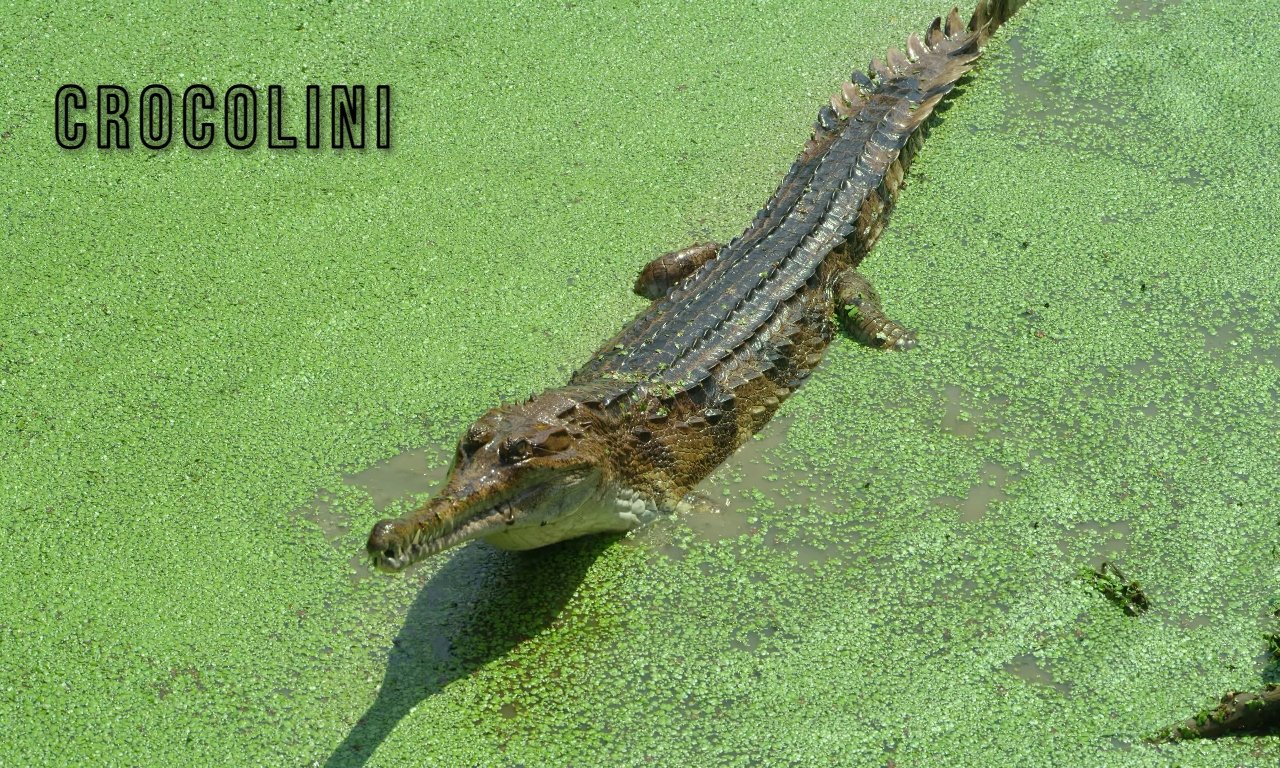
Welcome to the fascinating world of crocolini, a group of reptiles that often captures our imagination. With their ancient lineage and unique adaptations, these creatures are much more than just an intriguing subject for documentaries. They inhabit some of the most diverse ecosystems on Earth, showcasing resilience and grace in their natural habitats.
As we delve into the life of crocolini, prepare to uncover how they thrive in various environments, interact with each other, and face numerous challenges. From lush wetlands to murky riversides, understanding these animals is essential not just for enthusiasts but for anyone who cares about biodiversity. Join us on this journey as we explore what makes crocolini so special—both in nature and conservation efforts aimed at protecting them.
Crocolini are primarily found in freshwater habitats, thriving in wetlands, rivers, and swamps. These environments provide them with ample food sources and shelter. Their adaptability allows them to survive in various climates, from tropical regions to temperate zones.
Behaviorally, crocolini exhibit fascinating social structures. They often form hierarchies within groups and demonstrate complex mating rituals. Some species communicate through vocalizations or body language, showcasing their intelligence.
Sadly, many crocolini face significant threats due to habitat loss and climate change. Pollution and hunting further exacerbate their decline. Conservation efforts are crucial for protecting these unique reptiles and maintaining the ecological balance they contribute to within their ecosystems.
Introduction: The Enigmatic World of Crocolini
Crocolini, often shrouded in mystery, captivate those who venture into their world. These remarkable creatures belong to the captivating family of reptiles known as crocodilians. Their unique adaptations and behaviors set them apart from other wildlife.
The deceptive blend of fierce appearance and intriguing social dynamics makes crocolini a subject of fascination for researchers and nature enthusiasts alike. Each species adds its own flair to the rich tapestry of life on Earth.
Read: Why French Bulldogs Are the Most Popular Breed in America
Exploring their habitats reveals how these animals have evolved over millions of years. From murky swamps to sun-drenched riverbanks, crocolini thrive in diverse environments while playing crucial roles within their ecosystems. Understanding them helps us appreciate the delicate balance they maintain with nature.
What are Crocolini?
Crocolini are fascinating reptiles, often misunderstood and shrouded in mystery. They belong to the family Crocodylidae but possess distinct characteristics that set them apart from their larger relatives. These smaller cousins capture the intrigue of both researchers and wildlife enthusiasts.
With a streamlined body and elongated snouts, crocolini have adapted well to their environments. They thrive in freshwater habitats like rivers, lakes, and swamps. Their size ranges significantly among different species, making them versatile predators in their ecosystems.
Despite being lesser-known than crocodiles or alligators, crocolini play essential roles as apex predators. They help maintain healthy aquatic ecosystems by controlling fish populations and contributing to biodiversity within their habitats.
The Evolution and Diversity of Crocolini Species
Crocolini species have a rich evolutionary history that dates back millions of years. They are part of the larger family Crocodylidae, which includes modern crocodiles and alligators. This lineage has adapted remarkably to various environments, showcasing an incredible range of physical traits.
Diversity among crocolini is evident in their size, coloration, and behavior. Some species dwell in freshwater rivers while others prefer brackish or saltwater habitats. Each has developed unique adaptations suited to its environment.
For instance, the Orinoco crocodile thrives in South America’s river systems with distinct behaviors tailored for hunting and nesting. These variations highlight the adaptability and resilience of crocolini across different ecosystems around the globe.
Habitat and Distribution: Where Crocolini Roam
Crocolini thrive in diverse environments, primarily found in tropical and subtropical regions. They inhabit freshwater ecosystems such as rivers, lakes, swamps, and wetlands. These habitats provide essential resources for hunting and breeding.
Geographically, crocolini are widespread across parts of Africa, Asia, and the Americas. Their adaptability allows them to occupy various ecological niches within these areas. From dense mangroves to open savannas, crocolini can often be found basking under the sun or lurking near water’s edge.
The distribution of crocolini is influenced by factors like climate and availability of prey. As apex predators in their habitats, they play a crucial role in maintaining ecological balance. Understanding where they roam helps highlight their importance in biodiversity conservation efforts.
Behavior and Social Structure of Crocolini
Crocolini exhibit fascinating behaviors that highlight their adaptability. They are primarily solitary creatures but will gather in groups, especially during mating season or when basking in the sun. This social gathering offers safety in numbers and facilitates breeding opportunities.
Communication among Crocolini is subtle yet effective. They use a range of vocalizations, body language, and even scent marking to convey messages to each other. These interactions help establish territory and maintain social hierarchy within small groups.
Interestingly, some species display maternal care, with females guarding their nests fiercely until hatchlings emerge. This protective behavior showcases a remarkable aspect of their life cycle—ensuring the next generation has a fighting chance against predators and environmental challenges.
Threats to the Survival of Crocolini
Crocolini face numerous threats that jeopardize their survival. Habitat loss due to urbanization and agriculture disrupts their natural ecosystems. As wetlands are drained, these creatures find themselves with fewer places to live and hunt.
Pollution also plays a significant role in the decline of crocolini populations. Contaminants from agricultural runoff or industrial waste can poison water sources, affecting their health and reproduction rates. This toxic environment endangers not only crocolini but many other species sharing the same habitats.
Additionally, poaching poses a critical threat. Some individuals target these fascinating reptiles for their skin or meat, further diminishing already vulnerable populations. When combined with climate change impacts like rising temperatures, the future of crocolini appears uncertain without immediate action.
Conservation Efforts for Crocolini: Ensuring their Future
Conservation efforts for crocolini are crucial in safeguarding their future. Various organizations and governments have initiated programs to protect these remarkable creatures from habitat loss and poaching. By establishing protected areas, they aim to create safe havens where crocolini can thrive.
Community engagement plays a vital role in these initiatives. Local populations are educated about the importance of preserving crocolini habitats, often leading to sustainable practices that benefit both wildlife and people. Awareness campaigns help shift perceptions, fostering coexistence rather than conflict.
Research is another key element in conservation strategies. Scientists study crocolini behavior and ecology to inform effective management plans. By understanding their needs, we can implement targeted actions that ensure the survival of this unique species for generations to come.
Conclusion: The Importance of Preserving Crocolini Eco-Systems
The preservation of crocolini and their ecosystems is crucial for maintaining biodiversity. These fascinating creatures play a vital role in their habitats, influencing both flora and fauna. Their unique adaptations make them essential components of the food web.
Protecting crocolini means safeguarding wetlands, rivers, and other environments where they thrive. Conservation efforts ensure that these ecosystems remain intact not only for crocolini but also for countless species that share their environment.
As stewards of our planet, it’s imperative to recognize the importance of every creature within an ecosystem. By focusing on sustainable practices and supporting conservation initiatives, we can help secure a future where crocolini continue to roam wild and free in nature.