
 By Callum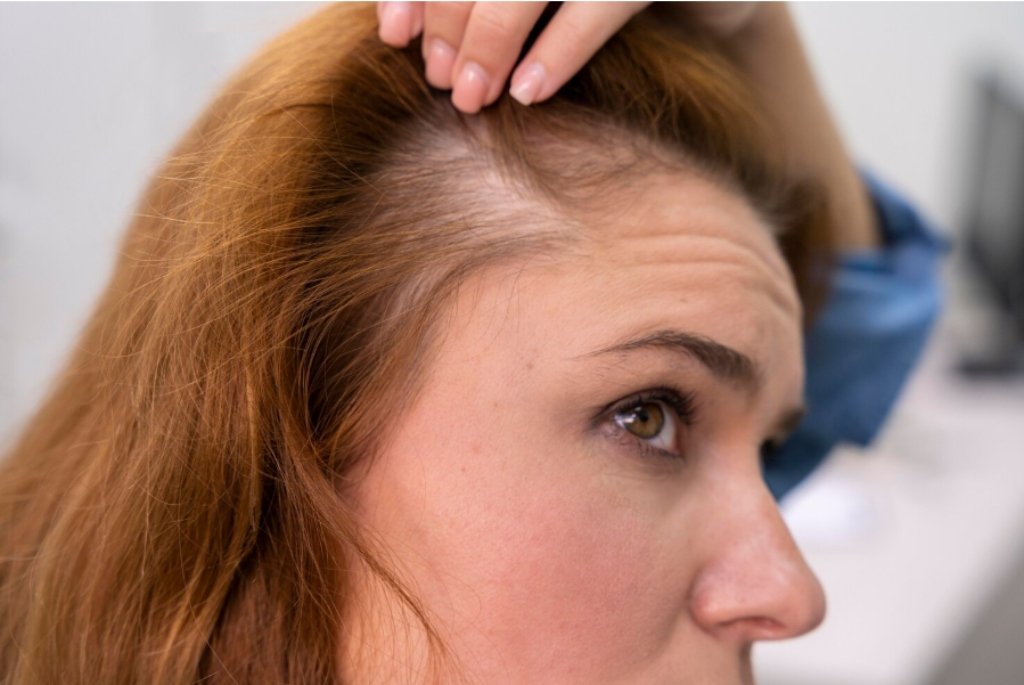
Understanding Female Hair Loss
Why Female Hair Loss Happens
Female hair loss is a common concern that affects women of all ages. While some may experience gradual thinning, others notice sudden shedding or patchy loss. In Kalkota, many women seek treatment to restore fullness, improve confidence, and understand the underlying reasons for their hair changes. Recognising the causes is an important first step before choosing the right treatment, whether it is female hair loss treatment in Kalkota or a hair transplant in Kalkata.
Several factors can contribute to female hair loss. One of the most common is hormonal fluctuation. Changes related to pregnancy, menopause, or conditions such as polycystic ovary syndrome (PCOS) may disrupt the normal hair cycle. When hormone levels shift, hair may remain in the resting phase longer than usual, leading to noticeable thinning over time.
Genetics also plays a significant role. Some women inherit a tendency toward female pattern hair loss, also called androgenetic alopecia. This condition causes gradual thinning across the crown or parting line. Unlike male pattern baldness, women typically retain their hairline but may experience a widening part and reduced density.
Lifestyle factors can also influence hair health. Stress, both physical and emotional, can push a larger number of hairs into the shedding phase. Poor nutrition, especially low iron or protein intake, contributes to weaker strands and increased breakage. Excessive heat styling, chemical treatments, and tight hairstyles may also damage hair follicles.
Medical conditions remain another major cause. Thyroid disorders, autoimmune illnesses, and scalp infections may all interrupt healthy hair growth. Certain medications, such as those for blood pressure, depression, or cancer treatment, may list hair loss as a side effect. Identifying medical causes early helps prevent further damage and guides treatment plans.
Common Symptoms Women Notice
Women experiencing hair loss may see more strands on their pillow, brush, or shower drain. Some may notice thinning along the parting line or reduced volume when styling. Scalp sensitivity, dryness, or itchiness might accompany hair loss if underlying inflammation is present. These symptoms often develop gradually, making it important to monitor changes over time.
Treatments for Female Hair Loss in Kalkota
Non-Surgical Treatment Options
Female hair loss treatment in Kalkota includes several non-surgical options that are effective for many types of thinning.
Topical treatments are widely used to stimulate hair growth. These products help extend the growth phase of the hair cycle and may thicken existing strands. They are often recommended for women experiencing early or moderate thinning.
Oral supplements may be suggested when nutritional deficiencies contribute to hair loss. Iron, biotin, zinc, and vitamin D play important roles in supporting healthy follicles. A blood test may be recommended to identify deficiencies, allowing for targeted supplementation.
Low-level laser therapy is another non-surgical option. This method uses gentle light energy to stimulate follicles and increase blood flow in the scalp. Many women find it helpful for improving hair density when used consistently.
Scalp treatments are available in many clinics across Kalkota. These may include specialised shampoos, topical serums, or exfoliating procedures to improve scalp health. A clean and balanced scalp environment allows hair follicles to function more effectively.
Platelet-based therapies are also used to support hair regrowth. These treatments introduce concentrated growth factors into the scalp to nourish follicles and encourage stronger hair production. They can be combined with other treatments for improved results.
Medical Evaluation and Personalised Plans
Before starting any treatment, a detailed consultation is important. Specialists in Kalkota often begin with a scalp analysis, medical history review, and laboratory tests. This helps identify the exact cause of hair loss and ensures the chosen treatment is appropriate and effective.
A personalised plan may include lifestyle adjustments as well. Stress management techniques, balanced nutrition, and protective hair care routines can enhance treatment outcomes. Women are encouraged to avoid harsh chemical treatments, reduce heat styling, and choose gentle hair products.
Hair Transplant Options in Kalkata
When a Hair Transplant Is Recommended
A hair transplant in Kalkata is an option for women with more advanced hair thinning or cases where non-surgical treatments have not delivered the desired results. Women with stable hair loss patterns, such as female pattern hair loss, may benefit from transplant techniques that restore density in specific areas.
Hair transplants are also suitable for women who have experienced hair loss due to trauma, burns, or surgical procedures. In such situations, restoring hair to the affected areas can significantly improve appearance and confidence.
Understanding the Procedure
A hair transplant involves moving healthy hair follicles from a donor area, usually at the back of the scalp, to areas affected by thinning. The two main techniques are follicular unit extraction (FUE) and follicular unit transplantation (FUT). The choice depends on hair type, extent of hair loss, and personal preference.
In FUE, individual follicles are extracted and implanted into thinning areas. This method leaves minimal visible marks and has a shorter recovery period. FUT involves removing a narrow strip of tissue from the donor area, from which follicles are harvested. FUT allows for the transfer of a larger number of grafts in a single session, which may be beneficial for women requiring significant density.
During the procedure, the surgeon carefully places each graft to match the natural direction and pattern of hair growth. This attention to detail ensures a soft, natural-looking result.
Recovery and Results
Recovery from a hair transplant varies depending on the technique used. Most women experience mild swelling or sensitivity that resolves within a few days. The transplanted hairs may shed initially, which is a normal part of the growth cycle. New hair growth typically begins within three to four months, with full results visible after 12 to 18 months.
A hair transplant provides permanent results, as the transplanted follicles are resistant to the factors causing thinning in other areas. Many women appreciate the long-lasting improvement in volume and coverage.
Choosing the Right Treatment in Kalkota

Factors to Consider
Choosing between non-surgical treatments and a hair transplant depends on several factors. Women with early or mild thinning may respond well to topical treatments, supplements, and scalp therapies. Those with more advanced hair loss or areas requiring fuller coverage may choose a hair transplant for a more definitive solution.
Setting realistic expectations is an important part of the process. Understanding the timeline for results, maintenance requirements, and long-term goals helps women feel confident in their decisions.
The Importance of Professional Guidance
Consulting a hair restoration specialist in Kalkota ensures that treatment choices match individual needs. Specialists provide accurate diagnosis, explain available options, and outline expected outcomes. With proper care and a structured plan, many women experience significant improvement in hair density and overall scalp health.
Conclusion
Female hair loss can be a challenging experience, but effective solutions are available in Kalkota. Whether choosing female hair loss treatment in Kalkota for early-stage thinning or considering a hair transplant in Kalkata for more advanced loss, women have access to a range of options to restore confidence and enhance hair health. With expert guidance and consistent care, long-term improvement is achievable.