
 By Callum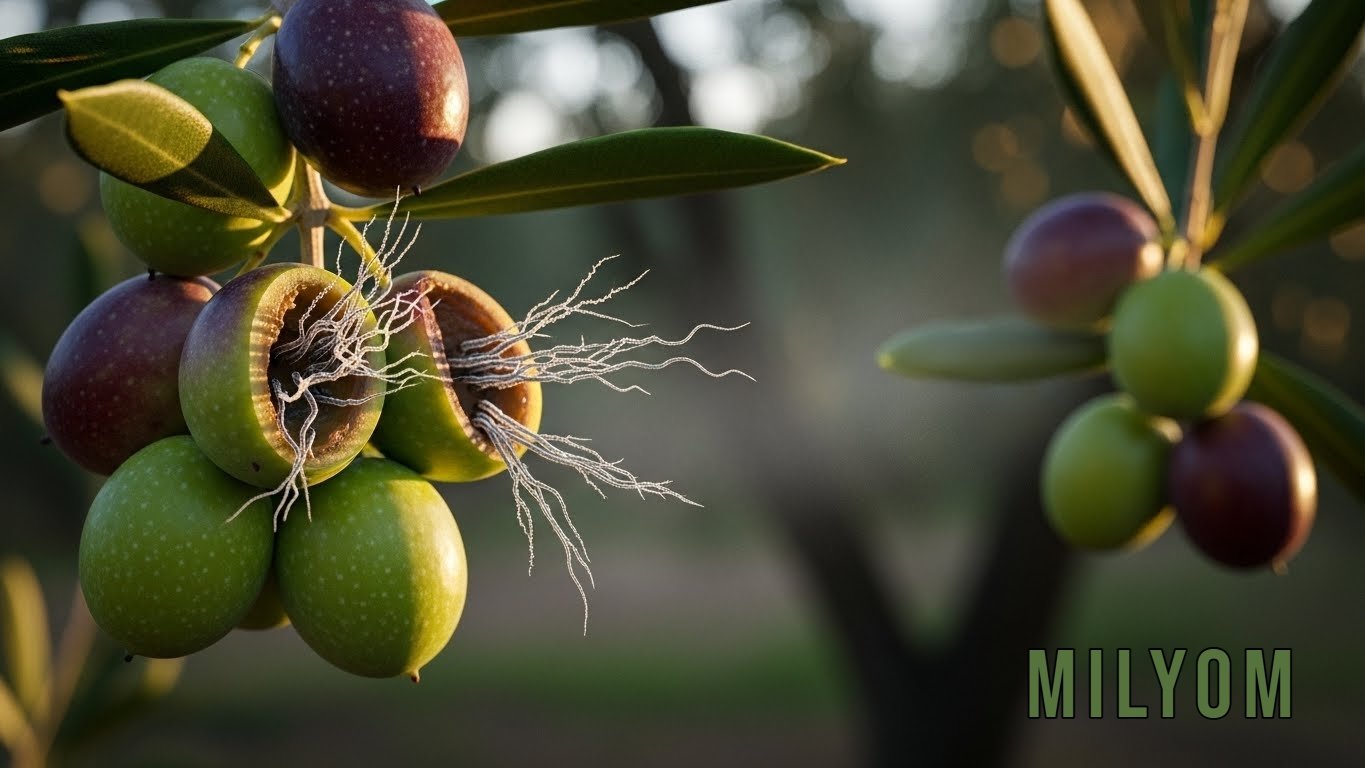
For generations, olive groves have stood as symbols of endurance, peace, and prosperity across the Mediterranean landscape. Their silvery leaves, twisting trunks, and slow, patient growth have shaped cultures and economies for millennia. Yet, beneath this timeless beauty lies an emerging danger—milyom, a silent and often underestimated threat that is increasingly worrying farmers, agricultural experts, and environmental observers alike.
While the name milyom may sound unfamiliar to many, those working closely with olive cultivation are beginning to recognize it as a disruptive force. Whether it appears as a pest, a fungal pattern, or a disease-like spread, the danger of milyom lies in its stealth. It rarely announces itself loudly; instead, it creeps into the system, slowly weakening trees, reducing fruit yields, and altering the delicate ecological balance that olive orchards rely on.
You Might Also Like: Prostavive Colibrim
In recent years, reports from several olive-growing regions have hinted at a troubling pattern: groves that appear healthy suddenly start showing signs of stress. Leaves curl. Fruit formation stalls. Bark develops unusual textures. At first glance, the symptoms are subtle—easy to mistake for drought, nutrient imbalance, or natural variation. But upon closer observation, experts have traced an alarming number of these cases to the influence of milyom.
A Slow, Silent Spread
The most concerning aspect of milyom is the way it spreads. Unlike more recognizable olive threats—such as the olive fruit fly or Xylella fastidiosa—milyom doesn’t always leave an obvious path of destruction. Instead, it works under the radar.
Environmental factors play a major role in its propagation. Warmer seasons, unpredictable rainfall, and soil fatigue have created the perfect environment for milyom to thrive. In some groves, only a handful of trees show early signs; in others, entire clusters weaken within a single season. Because its presence can mirror other agricultural problems, identifying it requires trained eyes, laboratory analysis, and close monitoring.
Farmers describe how the threat seems to dissolve into the background of natural stress. One grower noted how, “Everything looked normal until suddenly… it wasn’t.” And that is precisely why milyom is considered so dangerous.
Why Olive Trees Are Vulnerable
Olive trees, despite their legendary resilience, are not invincible. Their slow growth rate makes them particularly sensitive to long-term stress factors. Once their internal system becomes compromised, recovery can take years—if recovery is possible at all.
Several vulnerabilities make olive groves susceptible to milyom:
- Soil depletion from decades of continuous cultivation
- Climate change, which alters moisture and heat availability
- Reduced biodiversity around groves, limiting natural protection
- Monoculture practices, leaving groves defenseless against emerging threats
When milyom infiltrates these weakened systems, the impact magnifies. Leaves lose their deep green color. Root systems decline. Trees become less productive and more prone to secondary infections.
The Economic Impact
Olive production is more than a tradition—it is a livelihood. Many families rely on seasonal harvests to sustain their income, and regional economies depend heavily on the export of olive oil, table olives, and derived products.
A widespread presence of milyom would mean:
- Lower fruit yields
- Increased tree mortality
- Higher costs for treatment and prevention
- Reduced export quality and quantity
For small farmers, a single bad season can be crippling. For communities, the domino effect can destabilize entire supply chains.
Environmental Consequences
Beyond economics, the environmental impact cannot be ignored. Olive groves play an important ecological role, including soil preservation, carbon storage, and habitat support for wildlife.
When milyom spreads, it causes:
- Soil degradation
- Increased erosion
- Disruption of local ecosystems
- Loss of long-standing heritage trees
Some olive trees are centuries old—living records of history. Losing them to an emerging threat like milyom is more than an agricultural loss; it is a cultural tragedy.
How Farmers Are Responding
The fight against milyom is still developing. With limited long-term research available, growers are using a combination of preventive and adaptive strategies:
Better Soil Management
Farmers are enriching soil with natural fertilizers, compost, and organic matter. Healthier soil boosts natural resistance.
Regular Monitoring
Early detection is crucial. Many growers now conduct monthly inspections, looking for subtle signs of stress.
Diversification
Introducing other plant species helps strengthen ecosystem balance around olive groves.
Sustainable Irrigation
Proper water management reduces stress on trees, making them less susceptible to milyom-related decline.
Collaboration with Experts
Agricultural institutes and universities are increasingly involved in studying milyom’s behavior.
While these strategies help, the absence of a single clear solution means vigilance remains essential.
Could milyom Become a Larger Crisis?
Some researchers believe milyom may be part of a broader pattern—one influenced by shifting climate zones and evolving plant pathogens. As temperatures rise and weather patterns fluctuate, new agricultural threats emerge faster than ever before. Whether milyom becomes a major crisis depends on how quickly experts can understand and address it.
If ignored, it could reshape olive agriculture across several regions. But with early intervention, improved awareness, and global cooperation, the threat can still be managed.
Protecting the Future of Olive Groves
To safeguard olive groves from milyom, a multi-layered approach is essential:
- Research funding to understand its origin and behavior
- Training programs for farmers
- Early-warning systems to catch outbreaks
- Investment in sustainable farming
- International cooperation across olive-producing nations
Olive trees have survived centuries of droughts, wars, and shifting civilizations. With proper support, they can withstand milyom too.
A Call for Awareness
Although milyom remains a hidden and often misunderstood threat, awareness is the first line of defense. By educating farmers, researchers, policymakers, and consumers, we create a network of protection around these ancient trees.
The story of the olive grove is one of resilience, but it is also one of stewardship. Protecting these living symbols requires attention, action, and collective responsibility.
As milyom continues to emerge, one truth becomes clear: the more we understand it, the better we can protect the groves that have nourished humanity for thousands of years.