
 By Callum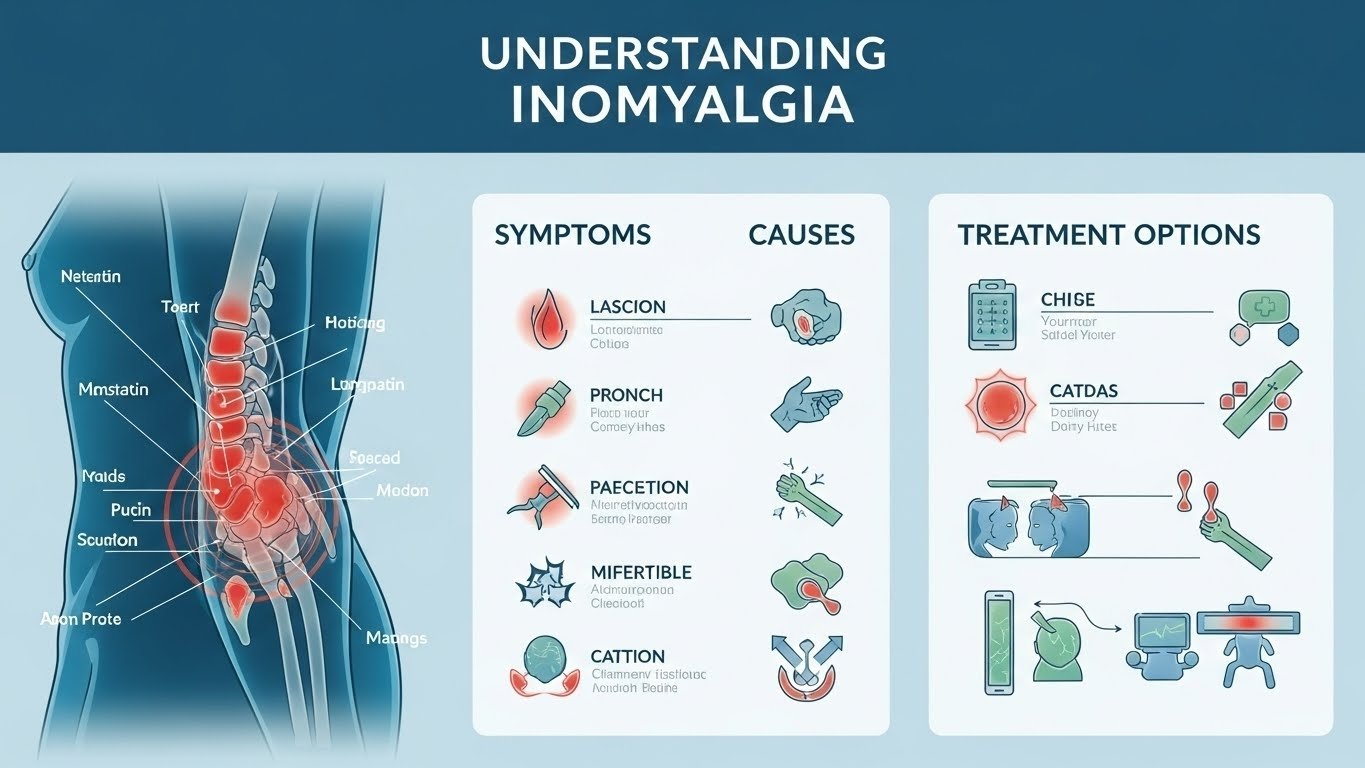
Living with chronic pain can be challenging, especially when it comes to understanding conditions like inomyalgia. Many people may not even be aware of what this term means or how it affects daily life. Inomyalgia is a complex condition that often leaves sufferers feeling frustrated and confused. By shedding light on its symptoms, causes, and treatment options, we aim to empower those affected by this disorder. Whether you’re experiencing discomfort yourself or seeking knowledge for a loved one, this guide will help you navigate the intricate landscape of inomyalgia and find ways to manage it effectively. Let’s dive into the essentials!
Inomyalgia is a chronic pain condition that affects muscles and soft tissues throughout the body. It can lead to persistent discomfort, fatigue, and widespread tenderness. Many people may not realize they have it until they experience these symptoms for an extended period.
Common causes include physical trauma, stress, genetics, and certain infections. Lifestyle factors such as poor sleep or lack of exercise can also contribute to its development. Understanding these triggers is essential for managing the condition effectively.
Treatment options range from medications like pain relievers to physical therapy and lifestyle changes. Finding the right approach often requires patience and persistence in identifying what works best for each individual.
What Is Inomyalgia?
Inomyalgia is a chronic pain condition characterized by widespread muscle discomfort and fatigue. It often affects the musculoskeletal system but can also lead to feelings of exhaustion that are hard to shake off. Individuals suffering from inomyalgia may find their daily activities affected due to this persistent pain.
The exact cause of inomyalgia remains unclear, making it challenging for healthcare providers to pinpoint effective treatments. Factors like genetics, infections, and emotional stress have been explored as potential contributors.
You Might Also Like: Osteopur
As research continues, understanding inomyalgia becomes crucial for those experiencing its debilitating effects on life quality.
Common Causes of Inomyalgia
Inomyalgia can stem from various factors. One common cause is physical overexertion, which stresses the muscles and leads to discomfort. This often occurs in individuals whose activities suddenly increase or change.
Another contributing factor is emotional stress. Anxiety and depression can intensify muscle tension, making symptoms more pronounced.
Additionally, underlying medical conditions like autoimmune disorders may play a role in developing inomyalgia. These conditions disrupt normal bodily functions, leading to increased pain sensitivity and fatigue. Understanding these causes can help manage the condition better.
Symptoms of Inomyalgia
Inomyalgia can manifest through various symptoms that may vary from person to person. Many individuals experience persistent muscle pain and tenderness, often affecting multiple areas of the body. This discomfort can lead to fatigue and a general sense of malaise.
Another common symptom is sleep disturbances, which can exacerbate feelings of exhaustion throughout the day. Some might also notice cognitive issues, such as difficulty concentrating or memory lapses.
Additionally, anxiety and mood fluctuations are frequently reported among those with inomyalgia. It’s essential to recognize these signs early for effective management strategies.
How Is Inomyalgia Diagnosed?
Diagnosing inomyalgia involves a thorough evaluation by a healthcare professional. They typically start with a detailed medical history to understand symptoms and any potential triggers. It’s important to discuss when the discomfort began and how it affects daily life.
Physical examinations usually follow, focusing on areas of pain or tenderness. The doctor may assess muscle strength and flexibility, checking for specific tender points associated with inomyalgia.
In some cases, additional tests like blood work or imaging studies are conducted to rule out other conditions. This comprehensive approach ensures an accurate diagnosis tailored to each individual’s needs.
Treatment Options for Inomyalgia
Treatment for inomyalgia often involves a multi-faceted approach. Physical therapy can help improve mobility and reduce pain through targeted exercises. Patients may also benefit from gentle stretching routines to enhance flexibility.
Medications like over-the-counter pain relievers are commonly used to manage symptoms. Doctors might prescribe muscle relaxants or antidepressants if the pain is severe or persistent.
Lifestyle changes play a crucial role as well. Stress management techniques, such as meditation or yoga, can provide relief and promote overall well-being. Dietary adjustments focused on anti-inflammatory foods may also support recovery and symptom management.
Managing Inomyalgia Long‑Term
Managing inomyalgia long-term requires a multi-faceted approach. Consistent physical activity can help improve strength and flexibility, alleviating some discomfort. Low-impact exercises like swimming or yoga are often beneficial.
Incorporating stress management techniques is crucial as well. Mindfulness practices and deep-breathing exercises can reduce tension levels and enhance overall well-being.
Diet also plays a vital role; eating anti-inflammatory foods may help mitigate symptoms over time. Staying hydrated and getting adequate sleep are essential components of any effective management plan for inomyalgia.
Inomyalgia vs. Fibromyalgia
Inomyalgia and fibromyalgia often get confused due to their similar symptoms, but they are distinct conditions. Inomyalgia primarily affects muscle tissue, leading to localized pain and tenderness.
Fibromyalgia, on the other hand, is a widespread disorder causing generalized pain throughout the body. It also includes fatigue, sleep disturbances, and cognitive issues commonly referred to as “fibro fog.”
While both conditions can significantly impact daily life, understanding their differences helps in seeking appropriate treatment. Recognizing whether you’re dealing with inomyalgia or fibromyalgia is essential for effective management strategies tailored to each condition’s unique challenges.
Prevention Tips for Inomyalgia
Staying active can play a crucial role in preventing inomyalgia. Incorporating regular exercise into your routine helps improve muscle strength and flexibility, reducing the risk of pain. Aim for low-impact activities like walking or swimming to stay gentle on your body.
Maintaining a healthy diet is equally important. Focus on foods rich in antioxidants, vitamins, and minerals to support overall wellness. Staying hydrated also contributes significantly to muscle function and recovery.
You Might Also Like: Prostavive Colibrim
Prioritize stress management techniques such as meditation or yoga. These practices can help you relax and reduce tension that may trigger symptoms of inomyalgia down the line.
When to See a Doctor
If you suspect you’re experiencing symptoms of inomyalgia, don’t hesitate to reach out to a healthcare professional. Early intervention can make a significant difference in managing the condition effectively.
Look for persistent pain or fatigue that disrupts your daily life. If these symptoms are affecting your sleep or mental health, it’s essential to seek medical advice promptly.
Additionally, if home remedies and over-the-counter treatments aren’t providing relief, consult with a doctor. They can help determine whether you have inomyalgia or another underlying issue that needs addressing.
Conclusion
Understanding inomyalgia is crucial for those experiencing its symptoms. Early detection and proper management can significantly improve quality of life. By recognizing the signs, seeking timely diagnosis, and exploring treatment options, individuals can take control of their health. Awareness about this condition helps foster better communication with healthcare providers and supports informed decision-making regarding care strategies. Prioritizing self-care and lifestyle adjustments also plays a vital role in managing inomyalgia effectively. Keeping abreast of ongoing research may offer new insights into understanding this complex condition further.