
 By Callum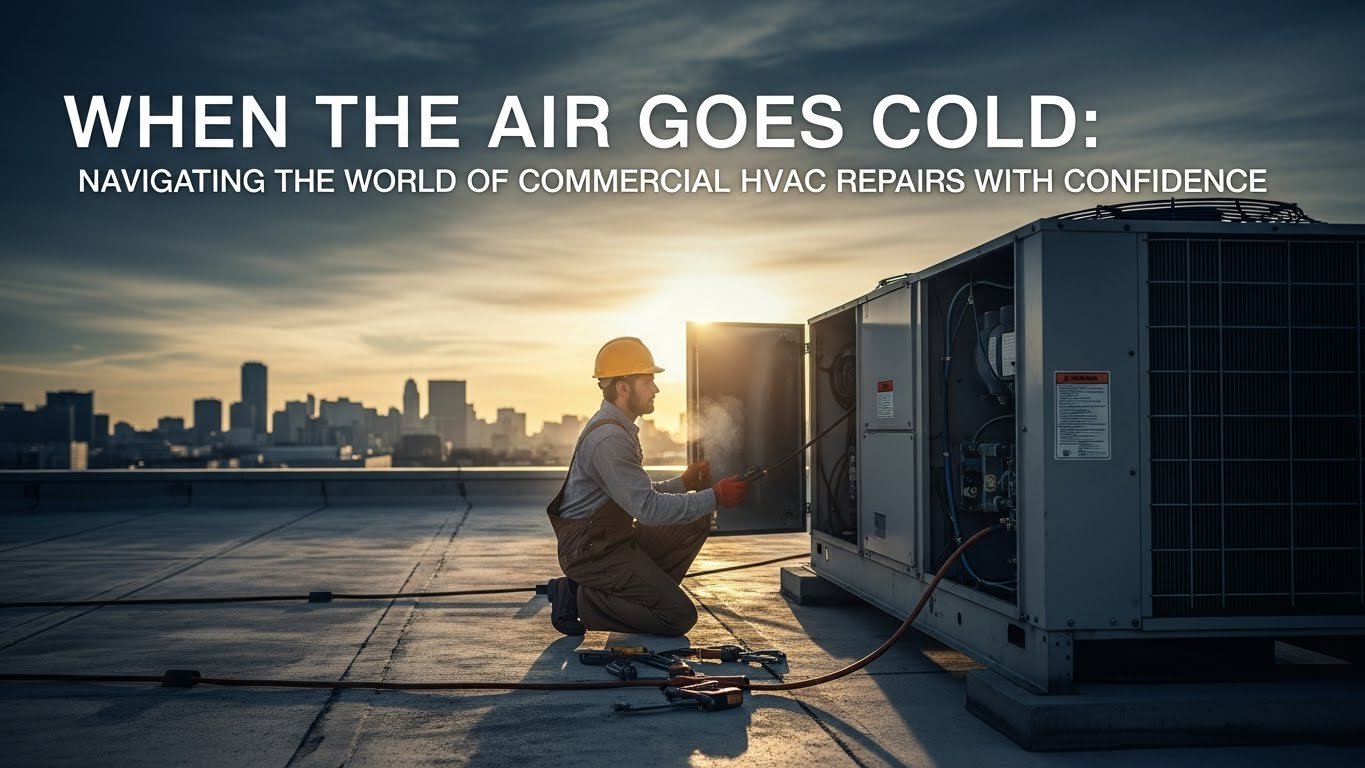
Let’s set the scene. You walk into your commercial space on a Monday morning, coffee in hand, ready to tackle the week—and bam! The air is stale, it’s either freezing or sweltering, and there’s a dull hum from the ceiling that just doesn’t sound right. You’ve got customers, employees, meetings, and suddenly, a malfunctioning HVAC system becomes the star of your day.
It’s one of those behind-the-scenes heroes we forget to appreciate—until it goes rogue.
The Unseen Lifeline of Business Comfort
For businesses, especially those in retail, hospitality, healthcare, or office spaces, HVAC systems are more than just machines that heat or cool the air. They set the tone. They impact productivity. And believe it or not, they influence customer experience more than we give them credit for.
Imagine a bakery with a broken AC on a July afternoon. Or a data center with improper ventilation. Even slight fluctuations in temperature or air quality can lead to more than just discomfort—they can lead to lost business.
And the worst part? Commercial HVAC systems don’t come with a polite warning before they call it quits.
So, What Happens When Trouble Hits?
Here’s the truth: HVAC systems in commercial settings are complex beasts. They’re not the same as the little unit humming quietly at your house. These giants are designed for scale, efficiency, and durability—but they’re not invincible.
When something goes wrong, you need help fast. That’s when most folks end up frantically Googling “commercial hvac repair near me”, hoping for a quick rescue. And yeah, it’s a smart move—but it helps if you know what to look for before placing that desperate call.
Warning Signs You Shouldn’t Ignore
Most commercial HVAC units don’t just stop working out of the blue. They drop subtle hints along the way. Learn to read them, and you might save yourself from full-blown emergencies. Some of the common red flags include:
- Unusual noises (grinding, rattling, buzzing)
- Hot and cold spots across rooms
- Skyrocketing energy bills without increased usage
- Unresponsive thermostats
- Poor air flow or ventilation
- Strange odors (burning, musty, etc.)
You don’t need to be an expert to notice when something feels “off.” Trust your instincts. If it doesn’t sound or feel right—it probably isn’t.
Not All HVAC Techs Are Created Equal
This is where the plot thickens. Once you’ve identified a problem, choosing the right professional can make or break your repair experience. You want someone local (because time is money), someone experienced, and above all, someone who understands the quirks of commercial systems.
Typing “commercial hvac contractors near me” into your search bar will flood you with options. But don’t pick the first name that pops up. Here are a few tips for separating the pros from the pretenders:
- Check credentials: Are they licensed, insured, and bonded? Don’t skip this.
- Experience matters: Do they specialize in commercial systems, or are they moonlighting from residential work?
- Reviews and testimonials: A few angry Yelp reviews aren’t uncommon, but patterns of negligence or overcharging? Red flag.
- Availability: Do they offer emergency services? Nights, weekends?
- Transparency: Are they willing to explain the problem, show you the faulty parts, or offer options rather than just upselling?
Your business can’t afford extended downtime. So finding a contractor you can trust—not just once, but long-term—is worth its weight in gold.
The Cost Question (Yep, We’re Going There)
Okay, let’s talk numbers. Because at the end of the day, that’s what it comes down to for most business owners.
HVAC repair costs vary wildly based on a few factors:
- Type of issue (a blown capacitor vs. a failing compressor are leagues apart)
- Age and model of your system
- Accessibility (rooftop units can cost more to service)
- Emergency or after-hours rates
- Replacement parts availability
The key here is to get a transparent quote before the work begins. Ask for a breakdown. A reputable contractor won’t shy away from explaining why something costs what it does.
And remember—preventive maintenance might cost a little upfront, but it’s a hell of a lot cheaper than emergency repairs.
Preventive Maintenance: The Underrated Hero
Let’s be real. Most of us wait until something breaks to call in the pros. It’s just human nature. But a commercial HVAC system is like a car—you wouldn’t skip oil changes and expect it to run forever, right?
Scheduled maintenance can catch issues early, prolong system life, improve energy efficiency, and keep your air quality in check. Plus, many service providers offer annual or semi-annual maintenance contracts that lock in better pricing and prioritize your call when things go south.
It’s not just smart—it’s a power move.
The Human Side of HVAC Repairs
Here’s something often overlooked in all the technical talk—your people.
When your HVAC fails, it doesn’t just affect the machinery or the utility bills. It affects your staff. Your customers. Their mood, their patience, their experience. Comfort is part of service, even if you’re not in hospitality.
So when you fix your HVAC, you’re not just fixing a machine. You’re restoring balance, boosting morale, and showing your team and clients that you care.
That matters more than we often admit.
Final Thoughts: Keep Your Cool (Literally)
HVAC issues are stressful, no doubt. They show up uninvited, they interrupt your day, and they almost always cost more than you expect.
But here’s the upside—there’s help, and you’re not alone. Whether you’re facing a minor glitch or a full-blown system failure, the right expert can turn things around quicker than you think.
Stay proactive, trust your gut when something feels wrong, and build a relationship with a reliable commercial HVAC provider before the next emergency strikes.
Because when the air goes cold—or worse, stops altogether—you’ll be glad you didn’t leave it to chance.