
 By Callum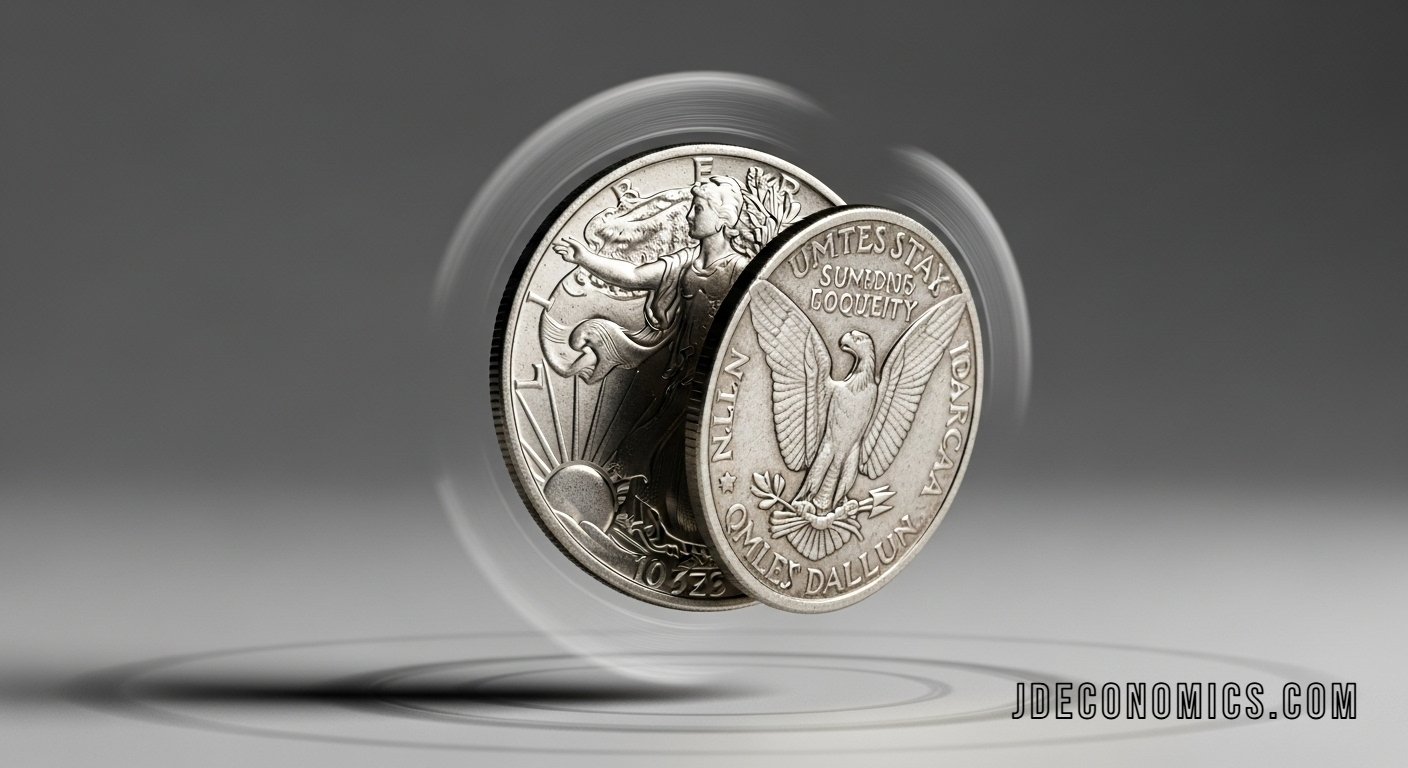
Decisions, decisions. Life is full of them, and sometimes the options are overwhelming. When faced with a tough choice, many people turn to a surprisingly simple tool: the coin flip. This age-old method may seem trivial at first glance, but it raises interesting questions about chance and human psychology. Is flipping a coin just an easy way out? Or can it be an effective decision-making strategy? Join us as we explore the fascinating world of coin flips—where luck meets logic in ways you might not expect!
The coin flip is often viewed as a straightforward way to settle dilemmas. With just two outcomes, it takes the pressure off decision-making and allows for a quick resolution. But beneath this simplicity lies an intriguing blend of chance and choice.
While many see it as mere luck, others argue that the act of flipping can clarify our preferences. When faced with uncertainty, tossing a coin might reveal deeper feelings about what we truly want—turning randomness into insight.
Introduction
Decision-making can be tough. Sometimes, we find ourselves torn between choices, weighing the pros and cons endlessly. When faced with uncertainty, a simple coin flip may offer clarity.
This age-old method of decision-making combines chance and simplicity in one swift action. But is it merely a gamble? Or does the act of flipping a coin hold deeper significance? Let’s dive into this intriguing tool that has been shaping decisions for centuries.
You Might Also Like: SoSoActive
Coin Flip Simulator vs. Just Flip A Coin
With the rise of technology, coin flip simulators have become popular. They offer a digital twist on a classic decision-making method. You can easily access these tools online or through apps, making them convenient for quick decisions.
However, there’s something timeless about flipping a physical coin. The tactile experience adds an element of anticipation and excitement that a simulator simply can’t replicate. Whether you choose virtual or traditional, both methods serve their purpose in helping you make those tough choices effortlessly.
Unique Aspects of Coin Flipping
Coin flipping is captivating due to its simplicity and fairness. Each toss offers a 50/50 chance, making it an impartial way to settle disputes or make choices. This randomness fascinates many, reflecting life’s unpredictable nature.
Moreover, the act of flipping a coin can evoke strong emotions. It often transforms complex decisions into simple outcomes. The momentary suspense before the coin lands creates anticipation that can influence our feelings about the choice being made, adding depth to this straightforward tool.
Coin Flip History and Psychology
The coin flip has a rich history, tracing back to ancient civilizations like the Romans and Greeks. They used it for decision-making in everything from politics to games of chance. The act of flipping a coin symbolizes fate and randomness, bridging the gap between choice and chance.
Psychologically, the coin flip taps into our desire for control amid uncertainty. It allows individuals to project their hopes onto an outcome while relinquishing responsibility. This duality makes it not only a tool for decisions but also a fascinating lens into human behavior.
Practical Applications in Daily Life
Many people encounter moments when decisions feel overwhelming. A coin flip can simplify choices like where to eat or which movie to watch. This simple act removes the pressure, allowing spontaneity to lead the way.
Beyond casual dilemmas, a coin flip can help break deadlocks in group settings too. When teams struggle to make a decision, flipping a coin introduces an element of fairness and lightheartedness. It encourages collaboration by letting chance guide the outcome without hard feelings attached.
Famous Coin Flips
Some coin flips have captured public imagination and changed the course of history. One notable instance occurred in 1958, when a flip determined the first-ever Super Bowl matchup. The Philadelphia Eagles faced off against the Green Bay Packers, setting the stage for an iconic sports rivalry.
Another famous flip took place during the 2000 U.
S. presidential election. A simple coin toss resolved a tie in Minnesota’s state Senate race. This decision highlighted how fate can shape politics through something as random as a single coin flip.
Coin Flipping in Dispute Resolution
Coin flipping can serve as a surprisingly effective method for resolving disputes. When disagreements arise, especially in situations where both parties are equally matched, a simple coin flip may provide clarity. This approach eliminates prolonged arguments and fosters quick resolutions.
Using a coin flip allows individuals to accept the outcome without lingering resentment. It transforms contentious moments into light-hearted decisions while preserving relationships. Plus, it’s an unbiased tool that strips away personal biases, ensuring fairness in the decision-making process.
The Influence of Physics and Mathematics
The physics behind a coin flip reveals fascinating dynamics. When a coin spins, its rotational motion and the force of gravity come into play. These factors can determine how and where it lands, though they often seem random.
Mathematically, the classic 50/50 chance appears straightforward. However, subtle elements like initial velocity or angle can shift probabilities slightly. Understanding these influences adds depth to what seems like pure luck—turning a simple toss into an intriguing blend of science and chance.
Exploring the Counterintuitive Properties
Coin flipping often seems like a straightforward gamble. Yet, its outcomes can reveal surprising insights about chance and decision-making. The randomness of heads or tails masks deeper patterns influenced by human psychology.
Interestingly, people frequently attribute more weight to their choices when a coin flip is involved. This paradox highlights how we perceive luck and control in decisions. By engaging with this simple act, individuals might uncover hidden biases that shape their thoughts and actions beyond the initial toss.
Clarifying Feelings Through a Coin Flip
Sometimes, our emotions can cloud judgment. A coin flip offers a straightforward way to gain clarity. When faced with two options, allowing chance to decide can reveal our true feelings about each choice.
The moment the coin spins in the air brings anticipation and excitement. That split second often forces us to confront what we genuinely desire. Whether it’s choosing between two jobs or deciding on dinner plans, flipping a coin might just help uncover your hidden preferences.
Enhancing Decision-Making with Coin Flipping
Coin flipping can serve as a surprisingly effective way to enhance decision-making. When faced with two equally appealing options, the simple act of tossing a coin can provide clarity. It removes the pressure from making a choice and allows intuition to surface.
Moreover, this method helps articulate your true feelings about each option. As you await the result, you may realize which outcome excites or disappoints you more. This insight is invaluable in guiding your final decision without overthinking it.
Conclusion
The coin flip stands as a fascinating blend of chance and choice. It serves not only as a decision-making tool but also reveals deeper insights into our psychology and behavior. Whether you’re using it to make trivial choices or navigate more significant dilemmas, the act of flipping a coin introduces an element of randomness that can be quite liberating.
Its historical significance is intertwined with cultures worldwide, showcasing how people have relied on this simple method for centuries. From sports to personal decisions, its application remains prevalent today.
The influence of physics and mathematics adds another layer to the allure of the coin flip. It’s not merely about luck; there’s logic behind every toss. This understanding can enhance your decision-making process by clarifying feelings and priorities.
Embrace the simplicity of a coin flip when faced with uncertainty. You might discover clarity where you least expect it, making life’s choices just a little simpler—one flip at a time.